-
×
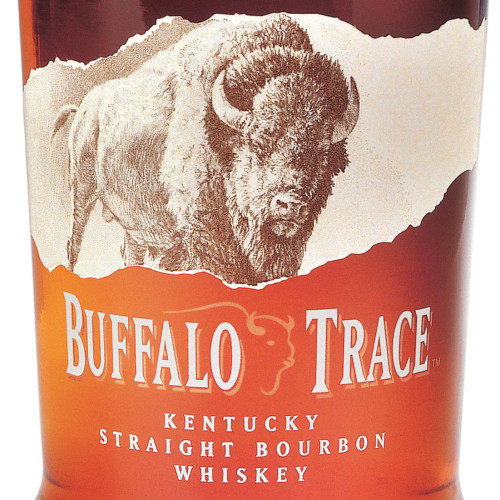 Buffalo Trace Kentucky Straight Bourbon Whiskey (1.75L)
1 × $141.99
Buffalo Trace Kentucky Straight Bourbon Whiskey (1.75L)
1 × $141.99 -
×
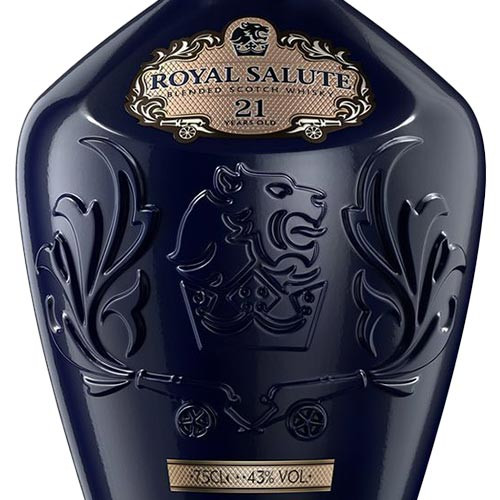 Royal Salute 21 Year Old Blended Scotch Whisky
1 × $234.99
Royal Salute 21 Year Old Blended Scotch Whisky
1 × $234.99
Subtotal: $376.98
 Buffalo Trace Kentucky Straight Bourbon Whiskey (1.75L)
1 × $141.99 Royal Salute 21 Year Old Blended Scotch Whisky
1 × $234.99
Buffalo Trace Kentucky Straight Bourbon Whiskey (1.75L)
1 × $141.99 Royal Salute 21 Year Old Blended Scotch Whisky
1 × $234.99 Subtotal: $376.98

Companies with options, convertible bonds, etc., disclose both basic as well as diluted EPS in their financial disclosures. As we’ve already seen, the number of a company’s outstanding shares can vary over time, sometimes fluctuating a great deal. A company could issue new shares, buy back shares, retire how to find the number of shares outstanding existing shares, or even convert employee options into shares.

Evaluating the trend of this number provides useful insights to investors. Importantly, the number of shares outstanding is dynamic and fluctuates over time. The first of these, unrestricted shares, is also known as “the float.” These are the shares that can be actively traded on the open market. When you buy stock in a company, you are buying an ownership stake, which is issued as a share of stock. The history of shares outstanding for Fastly, Inc. over two years is a good example of how widely the numbers can change.
You can also find the company’s balance sheet in its annual report, which can often be found on the company’s website. Finally, outstanding shares are different than authorized shares, or the number of shares that a corporation is legally allowed to issue. Outstanding stocks are the shares that are actually already out on the market. If you’re a market beginner, learning the ins and outs of stocks will help you get started trading, and bookkeeping making money.

This is because the number of shares is based on the amount of stock that the company has issued. The company can sell shares up to the limit set in its articles of incorporation. Shares outstanding is also essential for finding popular metrics like earnings per share (EPS), which measures how much of a company’s earnings each share of stock represents. The formula for calculating the net dilution from each tranche of options contains an “IF” function that first confirms that the strike price is less than the current share price. After dividing the net income of $200,000 by the diluted share count of 105,000, we arrive at a diluted earnings per share (EPS) of $1.90. Suppose a company has 100,000 common shares outstanding and $200,000 in net income Legal E-Billing in the last twelve months (LTM).
Furthermore, metrics like cash flow per share (CFPS) are also pivotal, offering additional insight into a company’s financial health and operational efficiency. Retail investors, in particular, need to consider these metrics as they often participate in shareholder meetings where they can voice their opinions and influence company decisions. Moreover, changes in shares outstanding, like those from stock buybacks, can signal a company’s confidence in its prospects, attracting investors seeking growth. Conversely, a sudden increase may raise concerns about dilution, which is a critical consideration for broker dealers when analyzing potential investments. Understanding and calculating the number of shares of common stock outstanding is a crucial aspect of evaluating a company’s financial and operational performance.
Simply put, the funds generated from issuing new shares were available to the Company for nine months only; hence, these numbers were pro-rated. Shares outstanding adjusts with corporate events like stock issuances or buybacks. New share issuances may dilute value, while buybacks can concentrate it, reflecting strategic financial moves such as fundraising or mergers. Preferred shares take priority over common shares, in terms of asset distributions in the event of bankruptcy. You will see a search bar at the top left corner; you can type in either the ticker symbol or company name of any stock you want to research.
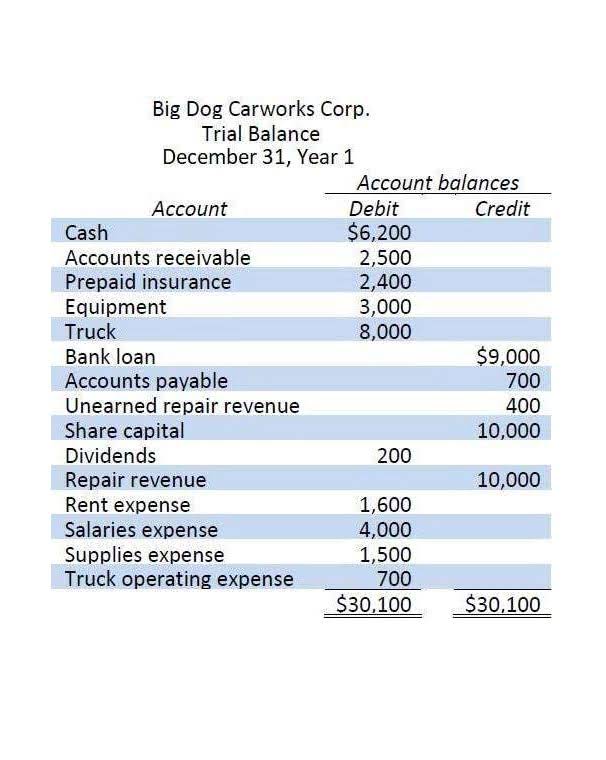
The number of shares of a company outstanding is not constant and may change at various times throughout the year, due to a share buyback, new issues, conversion, etc. For example, let’s say you want to calculate the weighted average number of outstanding shares for a company over two reporting periods of 6 months each. In the first 6-month reporting period, the company has 100,000 shares outstanding. In the second 6-month period, the company’s number of shares outstanding is 150,000.